Causes of Climate Change
Causes of Climate Change

Climate change refers to a long-term change in the average weather patterns that have come to define the Earth's local and global climates. It is primarily caused by the emission of greenhouse gases, such as carbon dioxide, into the atmosphere, which traps heat and causes the Earth's temperature to rise. This rise in temperature is causing a range of impacts, including melting glaciers and ice caps, rising sea levels, more frequent and intense natural disasters, and changes in the distribution and abundance of plant and animal species.
Climate change is a global issue that affects every country and every person. It is one of the greatest challenges facing humanity and requires immediate action from individuals, governments, and businesses to reduce greenhouse gas emissions, adopt sustainable practices, and build resilience to the impacts of a changing climate. Failure to act now will result in increasingly severe and irreversible impacts to the planet and its inhabitants.
Causes of climate change:
The causes of climate change can be divided into two broad categories: natural factors and human activities. Let's discuss each type in depth:
- Natural factors: Natural factors that contribute to climate change include:
- Changes in the Earth's orbit: Changes in the Earth's orbit around the sun can alter the amount of solar energy that reaches the Earth and contribute to long-term changes in the Earth's climate.
- Volcanic eruptions: Large volcanic eruptions can release large amounts of ash, dust, and gases into the atmosphere, which can reflect sunlight back into space and cool the Earth's surface.
- Ocean currents: The ocean plays a major role in regulating the Earth's climate by transporting heat from the equator to the poles. Changes in ocean currents, such as the Gulf Stream, can alter the distribution of heat and contribute to long-term changes in the Earth's climate.
- Plate tectonics: Plate tectonics, the movement of large plates of the Earth's crust, can affect the Earth's climate by altering the distribution of land masses, affecting ocean currents, and changing the Earth's axial tilt.
- Milankovitch cycles: The Earth's orbit and axial tilt change over time due to the gravitational influence of the Sun and other planets. These changes, known as Milankovitch cycles, can affect the amount of solar energy that reaches the Earth and contribute to long-term changes in the Earth's climate.
- Solar radiation: Changes in the amount of solar radiation that reaches the Earth, due to changes in the Sun's intensity or the amount of dust and gas in the atmosphere, can affect the Earth's climate.
- Cosmic rays: Cosmic rays, high-energy particles from space, can affect cloud formation and the Earth's climate. An increase in cosmic rays can lead to more cloud formation, reflecting more sunlight back into space and cooling the Earth's surface.
- Human activities: Human activities that contribute to climate change include:
- Greenhouse gas emissions: The primary cause of climate change is the emission of greenhouse gases, such as carbon dioxide, methane, and nitrous oxide, into the atmosphere. These gases trap heat, causing an increase in the Earth's average temperature. Human activities such as the burning of fossil fuels (coal, oil, and natural gas), deforestation, and industrial processes have significantly increased the levels of greenhouse gases in the atmosphere.
- Deforestation: Trees play a crucial role in absorbing carbon dioxide from the atmosphere and reducing the levels of greenhouse gases. Deforestation releases carbon dioxide into the atmosphere, reducing the number of trees that can absorb it. This, in turn, contributes to an increase in the Earth's average temperature.
- Land use changes: Changes in land use, such as urbanization and agriculture, have a significant impact on climate change. The conversion of forests and other natural habitats into urban areas and farmland releases carbon dioxide into the atmosphere, and the use of fertilizers and other chemicals in agriculture also contributes to greenhouse gas emissions.
- Transportation: The transportation sector is a major contributor to greenhouse gas emissions, primarily due to the burning of fossil fuels (such as gasoline and diesel) by cars, trucks, airplanes, and ships. Reducing emissions from transportation will require the use of more fuel-efficient vehicles and alternative fuels, as well as reducing the number of vehicle miles traveled.
- Energy production: Energy production, including the generation of electricity and heat, is a significant contributor to greenhouse gas emissions. The use of fossil fuels, such as coal, oil, and natural gas, is the primary cause of emissions from energy production. Switching to renewable energy sources, such as wind, solar, and hydro power, is crucial to reducing emissions from energy production.
- Waste management: Landfills and waste treatment facilities emit methane, a potent greenhouse gas. Reducing waste and improving waste management practices can reduce emissions of methane.
- Building and construction: The building and construction sector is responsible for a significant amount of greenhouse gas emissions, primarily due to the use of energy in buildings, the production of building materials, and the transportation of those materials. Energy-efficient building design, the use of low-carbon building materials, and the adoption of green building practices can reduce emissions from the building and construction sector.
- Agriculture: Agricultural practices, such as the cultivation of crops and raising livestock, can contribute to climate change through the emission of greenhouse gases, such as methane and nitrous oxide. Adopting sustainable agricultural practices, such as reducing fertilizer use and improving livestock management, can help reduce emissions from agriculture.
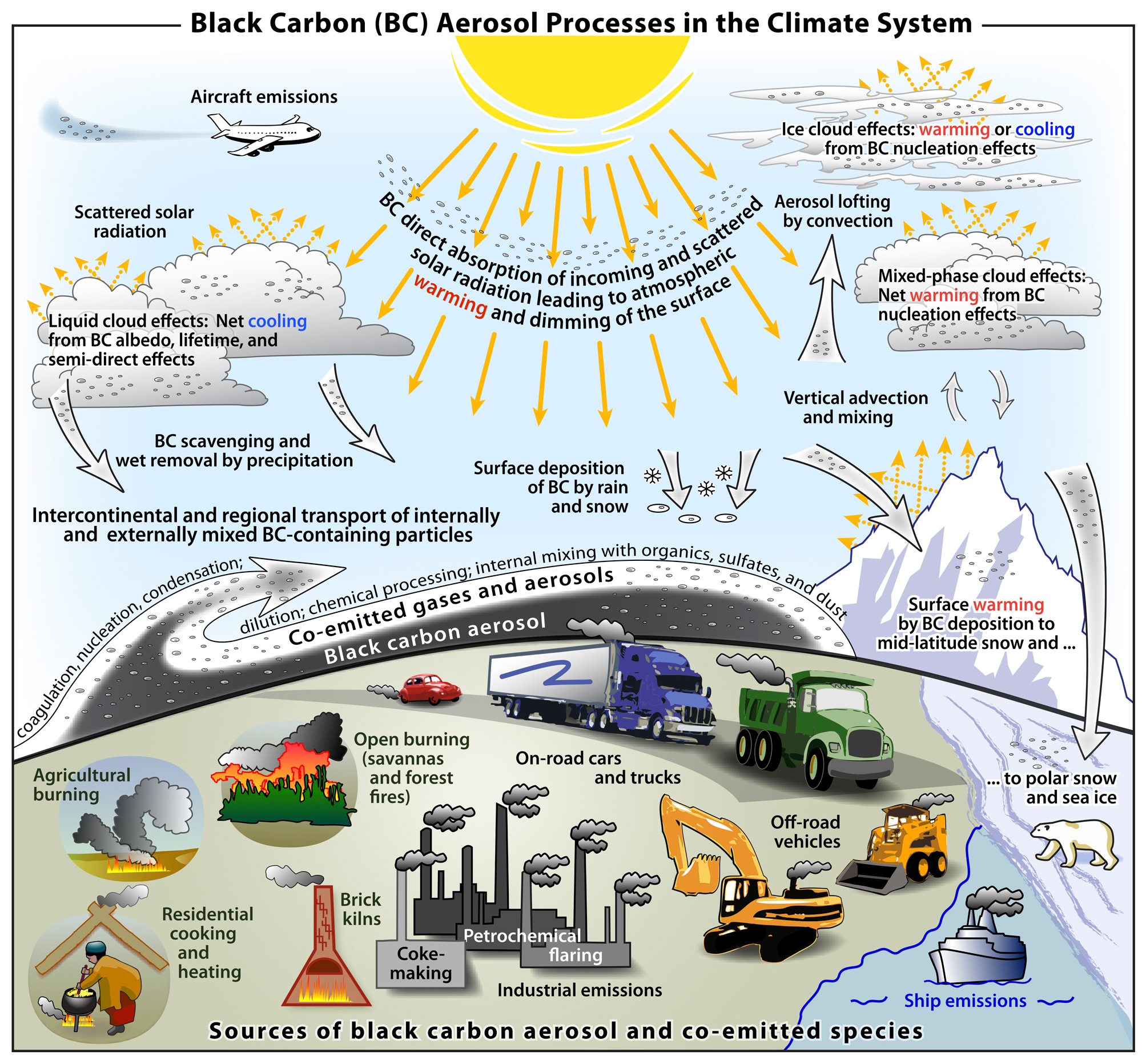
Addressing these human activities will require a concerted effort from individuals, governments, and businesses to adopt more sustainable practices, reduce emissions, and transition to a low-carbon economy. By taking action now, we can reduce the impacts of climate change and ensure a livable future for future generations.
- By Gowtham varma
Good work 👍
ReplyDeleteThis comment has been removed by the author.
ReplyDeleteNice work
ReplyDelete